Walter Reed Army Medical Center

Located on the NSA Bethesda campus, Walter Reed National Military Medical Center is a world-class patient care facility that serves the needs of the nation’s wounded service members and their families. The medical center was established in 2011 following the Base Realignment and Closure (BRAC) announcement of the National Naval Medical Center and Walter Reed Army Medical Center.
The Walter Reed General Hospital opened in 1909 and was named after Walter Reed, an American physician who was a leader in medical advancements and public health policies. His work linking certain species of mosquitoes to yellow fever helped stop the spread of this deadly disease and saved countless lives.
In 1951, the WRGH and the Medical School were combined to create the Walter Reed Army Institute of Research. In 1964, the name was changed to its present form: Walter Reed Army Medical Center (WRAMC).
The hospital is surrounded by many shopping, dining, and recreational activities. The nearby city of Bethesda offers historic sites, museums, performing arts venues, and bustling shopping districts. For more information on the hospital and local community, visit the medical center website. Contact the NSA Bethesda Housing Office for more information on housing options near WRAMC. Active duty and retired military, their spouses, and dependents are eligible for lodging on the NSA Bethesda installation.

Who is Major Walter Reed?
Major Walter Reed was a prominent American military physician and scientist known for his groundbreaking work in medical research and his significant contributions to understanding infectious diseases. He was born on September 13, 1851, in Belroi, Virginia, and died on November 22, 1902.
Major Walter Reed is best known for his pioneering research on yellow fever, a deadly mosquito-borne disease that was a significant public health threat in the late 19th and early 20th centuries. In 1900, he was appointed the head of a U.S. Army commission tasked with investigating the cause of yellow fever and finding ways to control and prevent it. Reed’s research, conducted in Havana, Cuba, was instrumental in proving that yellow fever was transmitted by the Aedes aegypti mosquito. His work provided a breakthrough in understanding how the disease spread and ultimately led to the development of effective measures for its prevention, such as mosquito control and eventually the development of a vaccine.
Walter Reed’s research not only had a profound impact on public health in the United States but also had global significance, as it helped in controlling the spread of yellow fever in many parts of the world. He is widely regarded as a pioneer in the field of tropical medicine and a hero of public health. In his honor, the Walter Reed Army Institute of Research in Silver Spring, Maryland, was named after him, and continues to conduct research in various medical and scientific fields.
Can any Veteran Go to Walter Reed?
Generally, any service member who is eligible for care at a military hospital will have access to Walter Reed. This includes active duty personnel, their dependents, and certain reservists. However, there are some restrictions to the facility and those who can get treated there.
One of the main restrictions to WRNMMC is that those who want to visit must have a state ID badge from a military branch. This badge must be shown at the gate. It is also a good idea for service members who have visitors to make sure that they bring the proper ID as well.
In the late 19th century, the first military hospitals were opened to treat injured soldiers. Walter Reed General Hospital was one of them, serving the nation for over a century. During World War I, the number of beds at the hospital went from 80 to 2,500 in just a few months. It grew with new facilities as we entered World War II, Korea, and Vietnam.
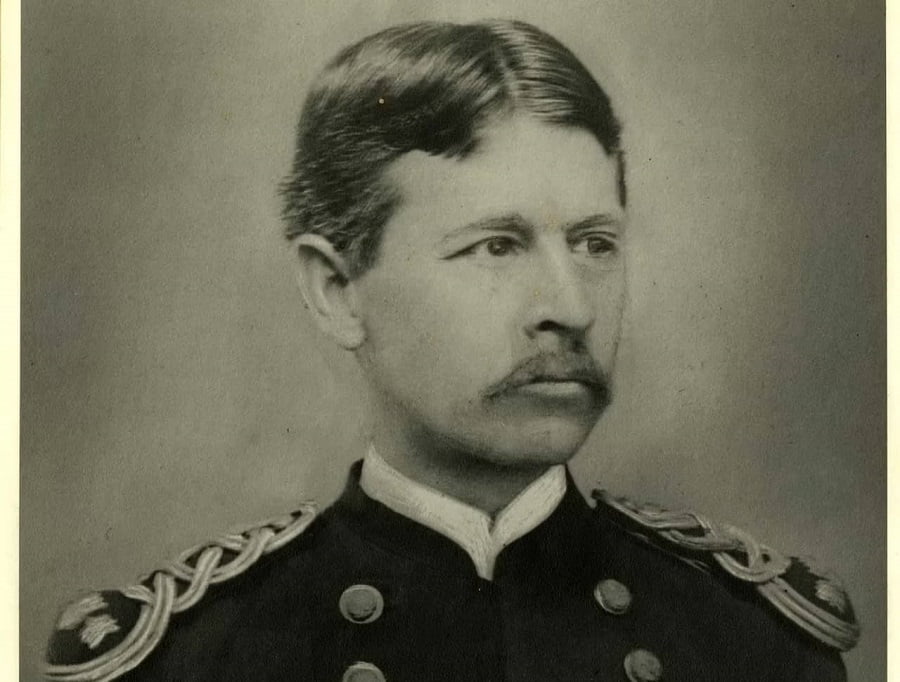
The Walter Reed Society
The Walter Reed Society (WRS) is a 501(c) 3 charitable organization that supports Walter Reed National Military Medical Center’s educational, patient, treatment, and research activities. Membership is open to officers, enlisted active duty, and Reserve and National Guard members and their families.
Walter Reed Hospital is the Department of Defense’s flagship medical system and one of the world’s largest and most advanced military healthcare systems. Its 88 buildings house more than 4,500 doctors, nurses, technicians, and other staff who are devoted to the health and welfare of service members returning from Iraq and Afghanistan.